Lonely: The Monoline Script for Effortless Elegance
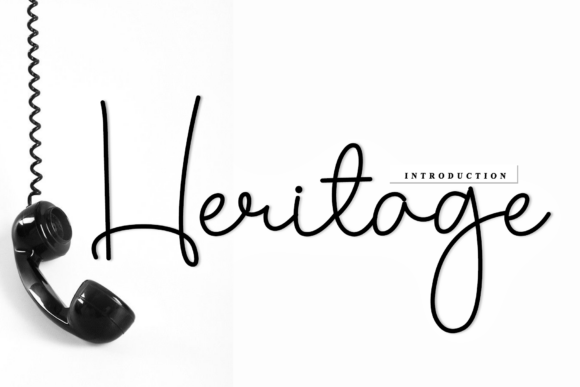
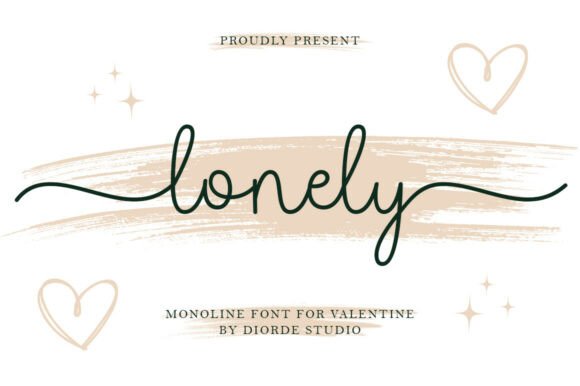
In the world of modern typography, finding a script font that feels both personal and polished can be a challenge. You want something with a human touch, but it also needs to be legible, versatile, and professionally crafted. This is the space where the Lonely typeface excels. It’s not just another handwritten font; it’s a carefully designed monoline script that captures the essence of fluid, continuous movement. Each letter flows into the next with a graceful, unbroken rhythm, creating words that feel like they were written in a single, confident motion.
The personality of the Lonely font is one of romantic intimacy and quiet confidence. Its consistent line weight gives it a clean, contemporary feel, while the sweeping horizontal swashes add a layer of decorative flair without sacrificing clarity. This balance makes it a remarkably versatile premium font. It avoids the overly casual look of some script fonts and the rigid formality of traditional serif fonts. Instead, it occupies a sweet spot: a creative font that feels bespoke, thoughtful, and inherently elegant. The overall appeal is one of high-end craftsmanship, making it ideal for projects where you want to convey authenticity and a personal connection.
Where the Lonely Typeface Truly Shines
Understanding a font's strengths is key to using it effectively. The Lonely typeface isn't designed for body text, and it wouldn't be the right choice for a technical manual. Its purpose is to add a distinct emotional layer and visual interest. It works best in applications where you want to capture attention and evoke a specific feeling.
For wedding stationery, the Lonely font is a natural fit. Its fluid motion is perfect for invitations, save-the-dates, and thank-you cards, lending an air of romance and sophistication. The same qualities make it excellent for Valentine's Day projects, from social media graphics to packaging for artisanal goods. Photographers and visual artists will find it invaluable for creating elegant watermarks that don't distract from the image, or for titling photo books and portfolios.
In the realm of brand identity, the Lonely font can be a powerful tool for specific sectors. Luxury brands, boutique bakeries, florists, jewelry designers, and high-end cosmetics can use it for logo design or as a secondary display font to inject personality. It’s equally at home in packaging design, where its delicate curves can elevate the perceived value of a product. For digital creators, it’s perfect for social media graphics, blog headers, and email signatures, adding a signature touch that feels personal and professional.
Practical Guidance for Using This Script Font
Choosing the right font is only half the battle; using it well is what separates good design from great design. When integrating the Lonely typeface into your work, a few practical considerations will ensure success.
Font Pairing is Essential. A script font like Lonely needs a partner to create visual hierarchy and ensure readability. Its flowing nature pairs beautifully with simple, wide-spaced capital letters for a clean, modern contrast. Think of a sans-serif like Montserrat or a condensed sans-serif for supporting text. Alternatively, for a more classic and sophisticated "lifestyle" aesthetic, pair it with a timeless serif font like Garamond or Playfair Display. The key is to let Lonely be the star for headlines and short phrases, while its partner handles longer, more functional text.
Consider Readability and Scale. As a display font, Lonely is meant to be seen at larger sizes. Its legibility decreases in small body copy. Use it for titles, logos, pull quotes, and short calls-to-action. When setting a phrase like "Thank You" or "With Love," ensure there's enough surrounding space for the swashes to breathe. This not only improves readability but also enhances the graceful movement that defines the font.
Evaluate the Full Character Set. One of the practical advantages of the Lonely font is its inclusion of PUA encoding. This means all the special characters, swashes, and decorative elements are easily accessible. Before finalizing a design, take time to explore the full glyph set. You might find alternate letterforms or connecting swashes that perfectly suit a specific word or layout, adding that extra layer of customization and polish.
Finally, always check the licensing. The Lonely typeface is a commercial font, designed for professional use. Ensure your license covers your intended project, whether it's for a client's brand identity, commercial product packaging, or digital marketing materials. Respecting font licensing is a mark of professionalism and supports the designers who create these valuable design assets.
A Final Thought on Craft and Connection
In an age of digital perfection, there's a growing appreciation for tools that bring a human element back into design. The Lonely font does exactly that. It’s more than just a set of letters; it’s a design asset that helps communicate emotion, craft a story, and build a connection with your audience. Whether you're a designer working on a client's brand identity, an entrepreneur creating packaging for your small business, or a crafter making personalized gifts, this typeface offers a way to add a signature touch of elegance. Its strength lies in its ability to make any project feel more intentional, more personal, and more beautifully crafted.